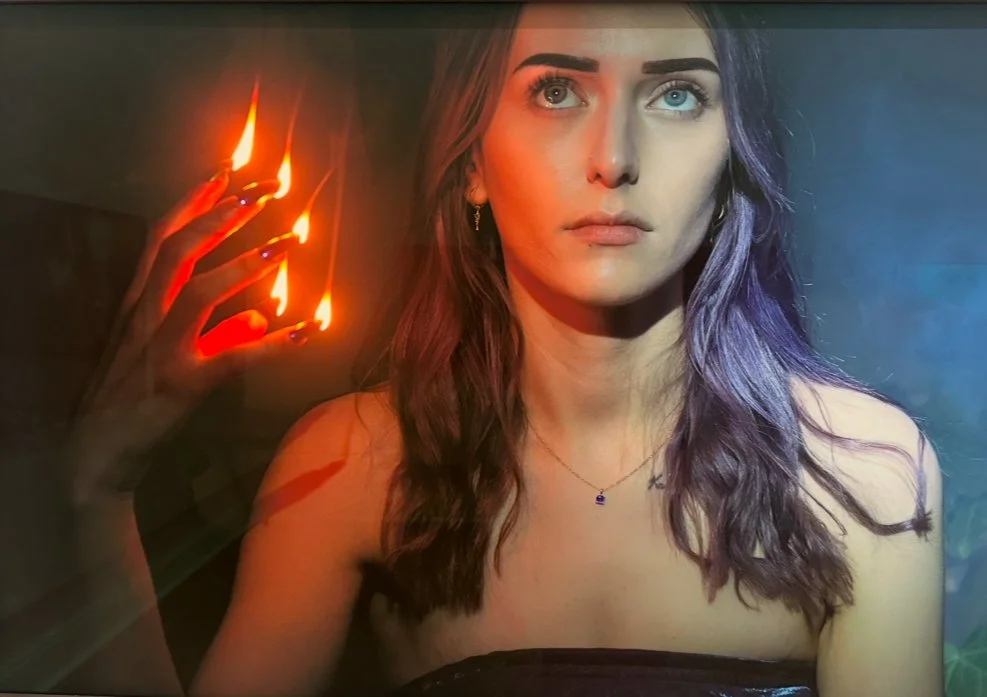
“From whenua to moana, these works speak through connection rather than spectacle.”
STEVEN ALDERTON
NEW ZEALAND AND PACIFIC ART
New Zealand contemporary art offers a dynamic and multifaceted perspective on the cultural and environmental narratives of the Asia-Pacific region, blending influences from Māori heritage, Pacific Island traditions, and global contemporary movements. Through innovative practices and powerful storytelling, New Zealand artists engage with themes such as identity, land, colonial history, and ecological concerns. The distinct perspectives of Māori artists in particular bring invaluable cultural depth, as their works often draw on whakapapa (genealogy), tūrangawaewae (place of standing), and kaitiakitanga (guardianship) to connect audiences to the land and its stories.
Leading New Zealand and Māori artists continue to gain recognition on the international stage, with their work being presented at art fairs, biennales, exhibitions, and institutional programs. Emerging voices such as Ayesha Green, Reuben Paterson, and the Māori collective Mata Aho bring new energy to the field, blending craft, installation, and storytelling. Their work incorporates traditional materials, cultural knowledge, and contemporary issues, creating large-scale, collaborative, and conceptually ambitious artworks that challenge perceptions of Indigenous practice.
Established artists such as Ralph Hotere are known for minimalist and politically charged works that reflect on themes of identity, resistance, and Indigenous sovereignty.
Lisa Reihana creates immersive multimedia installations, such as the critically acclaimed In Pursuit of Venus [infected], which reimagines colonial encounters and challenges historical representations through innovative digital art.
Gordon Walters, one of New Zealand’s most iconic modernists, is recognised for his koru-based abstractions that bridge Māori visual culture and international modernist aesthetics.
Yuki Kihara, a pioneering Samoan-Japanese artist, critically examines post-colonial identity, gender, and cultural politics through photography and performance, including her historic representation of New Zealand at the Venice Biennale.
Michael Parekowhai produces large-scale sculptural and installation works that explore memory, national identity, and cross-cultural exchange with wit, intelligence, and emotional resonance.
Bill Hammond is known for his surreal and haunting paintings populated with bird-like figures, which serve as allegories for colonisation, extinction, and ecological imbalance in Aotearoa.
Frances Hodgkins, a major figure in early modernism, developed a vibrant and expressive style that connected New Zealand’s art history with broader international movements.
Shane Cotton combines Māori iconography with Western visual languages to explore histories of conflict, spiritual duality, and contemporary Indigenous identity.
Judy Darragh challenges traditional notions of material and value through installations that use found objects, vivid colours, and unexpected juxtapositions.
Lonnie Hutchinson is celebrated for her intricate black cut-paper works and installations that explore femininity, urban space, and Māori whakapapa.
Tia Ranginui, a leading contemporary Māori photographer, creates intimate and evocative works that explore Māori identity, familial connections, and cultural heritage through lens-based storytelling.
Contemporary Pacific art, encompassing Samoa, Tonga, Papua New Guinea, Fiji, Solomon Islands, the Cook Islands, and other nations, is also experiencing growing recognition for its unique fusion of traditional knowledge and contemporary expression. Artists from the region are drawing attention to ancestral legacies, climate change, gender identity, and post-colonial narratives. Their practices often integrate customary materials such as tapa, masi, and natural pigments with digital media, installation, painting, and performance.
Yuki Kihara, in addition to her work within New Zealand’s art scene, represents a broader Pacific voice through works that critique colonialism and challenge binaries of gender and cultural identity.
Jeffry Feeger, from Papua New Guinea, creates vibrant contemporary portraits rooted in local tradition and community representation.
Joana Monolagi, a Fijian artist, works with masi (bark cloth) to express cultural heritage, gender roles, and ecological themes through a deeply personal and ceremonial lens.
Vaimaila Urale, a Tongan artist, explores cultural identity, technology, and language through mark-making and experimental digital forms.
Angela Tiatia, from the Solomon Islands, creates performance, video, and installation works that address the fragility of Pacific nations in the face of climate change, colonisation, and gender inequality. These artists exemplify a shift in contemporary practice that embraces traditional knowledge while forging new narratives on identity, place, and sustainability.
Nineteenth- and twentieth-century Pacific art and artefacts hold a crucial place in understanding the long histories of cultural expression across the region. These works, including intricately carved masks, tapa cloths, ceremonial adornments, and woven textiles, reflect spiritual belief systems, social structures, and the deep relationship between people, land, and the sea. They were used in rites of passage, spiritual ceremonies, conflict, and storytelling, forming a visual language of great complexity and sophistication.
These historical works remain foundational to understanding the development of contemporary Pacific art, offering continuity between past and present. They provide insight into the resilience and adaptability of Pacific communities as they responded to changing political, environmental, and social circumstances. When presented with appropriate cultural and geographic context, these artworks reveal a profound engagement with the spiritual, material, and ecological worlds of the Pacific. Their presence in global museum collections and public exhibitions today affirms their lasting significance, not just as artefacts of the past, but as living testaments to cultural endurance and creative innovation.
Together, the work of New Zealand and Pacific artists contributes to a powerful visual and cultural narrative that reflects shared histories, evolving identities, and future-facing practices. Whether through digital innovation, material experimentation, or the revival of customary forms, artists from this region continue to shape how audiences understand Indigenous knowledge, environmental justice, and cultural sovereignty in the contemporary world.